
Detecting Liver Disease (Hepatitis) with the Quantum Resonance Magnetic Analyzer
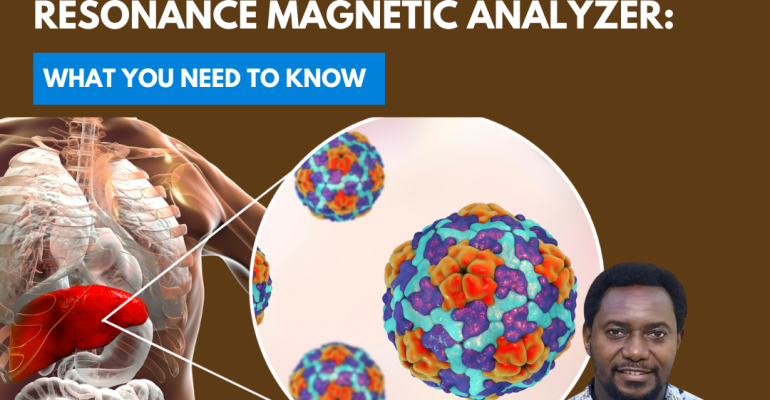
Detecting Liver Disease (Hepatitis) with the Quantum Resonance Magnetic Analyzer
 ONYEDIKACHI EMERUWA
 By Dr. Oyedika, Keobik Healthcare Academy
Liver disease, particularly hepatitis, remains a significant global health challenge, affecting millions of people and leading to severe complications if undetected and untreated. Early detection is essential to manage and prevent the progression of liver-related ailments. One innovative tool making this possible is the Quantum Resonance Magnetic Analyzer (QRMA), a non-invasive device used to assess overall health by analyzing energy waves within the body. Here, we’ll explore how the QRMA aids in identifying liver health issues, including hepatitis, and why it’s gaining traction as a key tool in preventive healthcare.
Understanding the Liver’s Role and Hepatitis
The liver is a vital organ responsible for various functions, including detoxifying harmful substances, aiding digestion, and regulating chemical levels. Hepatitis, an inflammation of the liver, can be caused by viruses, alcohol abuse, toxins, or autoimmune diseases. If left untreated, hepatitis can lead to liver scarring (cirrhosis), liver cancer, and even liver failure. Common symptoms of hepatitis include fatigue, jaundice, abdominal pain, and loss of appetite. However, many individuals remain asymptomatic in the early stages, making regular liver assessments crucial.
What is the Quantum Resonance Magnetic Analyzer (QRMA)?
The QRMA is a cutting-edge, non-invasive diagnostic tool that uses electromagnetic waves to assess health conditions. By measuring the body’s bioelectrical and bioenergetic states, it detects abnormalities in various organs and systems, including the liver. QRMA analyzes the energy spectrum of the liver, providing insights into cellular health, liver function, and potential issues like inflammation or liver cell damage.
How QRMA Helps in Early Detection of Hepatitis
Detecting liver abnormalities early on can drastically improve outcomes for those at risk of hepatitis. QRMA provides a detailed liver health report by identifying various markers associated with liver health, such as:
- Liver Enzyme Levels
Elevated liver enzymes can indicate liver inflammation, often a sign of hepatitis. The QRMA detects abnormalities in enzymes like AST (Aspartate Aminotransferase) and ALT (Alanine Aminotransferase), crucial markers in diagnosing hepatitis. - Liver Cellular Integrity
Hepatitis can cause damage at the cellular level, disrupting normal liver function. QRMA can detect cellular disruptions, indicating potential viral infections or toxic damage to the liver cells, which may suggest early stages of hepatitis. - Protein and Bilirubin Levels
Changes in protein synthesis and bilirubin levels often accompany liver disease. The QRMA can assess these levels, giving clues about the liver’s detoxifying capabilities, which are often impaired in hepatitis. - Immune Response Indicators
Hepatitis often triggers an immune response, resulting in inflammation. QRMA can identify immune system anomalies, highlighting if the liver is under stress from infection or inflammation.
Benefits of Using QRMA for Hepatitis Detection
The QRMA offers numerous benefits for patients and healthcare providers looking to monitor liver health:
- Non-invasive and Painless: QRMA offers a safe, non-invasive way to assess liver health without the need for blood draws or biopsies.
- Quick and Efficient: The analysis typically takes minutes, allowing for rapid diagnosis and immediate results.
- Preventive Insight: QRMA doesn’t just diagnose; it provides early insights into potential health issues, encouraging preventive care and lifestyle adjustments.
- Holistic Health Evaluation: Since the QRMA assesses multiple organ systems, it offers a comprehensive view of a patient’s health, often detecting related issues that might contribute to liver stress.
QRMA in Hepatitis Prevention and Management
For those at risk of hepatitis, QRMA can play a pivotal role in early prevention and disease management. By scheduling regular screenings, individuals can monitor their liver health and make proactive changes to reduce risk factors. If abnormalities are detected, healthcare providers can recommend lifestyle modifications, dietary changes, or medical treatments to mitigate the progression of liver disease.
How to Get Started with QRMA for Liver Health Assessment
At Keobik Healthcare Academy, we are committed to advancing healthcare through innovative technology and education. By integrating QRMA into our services, we empower individuals with the tools and knowledge to take charge of their health. Our training programs teach practitioners how to operate the QRMA and interpret its results effectively, enabling a higher standard of patient care.
For more information on how to use QRMA for liver health and hepatitis detection or to enroll in our training program, visit our website at Keobik Healthcare Academy.
Take control of your liver health today with the Quantum Resonance Magnetic Analyzer and embrace a proactive approach to wellness. Early detection and intervention could be the key to a healthier, longer life.


