
The Role of Quantum Resonance in Early HIV/AIDS Detection
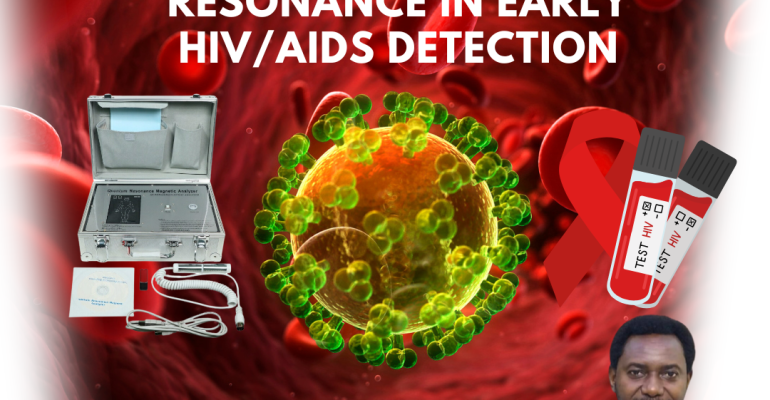
The Role of Quantum Resonance in Early HIV/AIDS Detection
 ONYEDIKACHI EMERUWA
 Introduction
The Quantum Resonance Magnetic Analyzer (QRMA) is an innovative tool in the field of non-invasive diagnostic technology. By analyzing electromagnetic signals in the body, it provides detailed health insights. One of its notable applications is in detecting early markers of HIV/AIDS, enabling timely intervention and improved health outcomes.
This article explores how QRMA supports early HIV/AIDS detection and its role in promoting awareness and proactive health management.
Understanding HIV/AIDS
HIV (Human Immunodeficiency Virus) is a virus that weakens the immune system by targeting CD4 cells (T cells). If left untreated, it can progress to AIDS (Acquired Immunodeficiency Syndrome), where the immune system becomes severely compromised. Early detection is critical for managing the disease effectively.
How QRMA Works
The QRMA operates on the principle of bioresonance. It measures electromagnetic frequencies emitted by cells, tissues, and organs, comparing them to a database of normal and abnormal patterns. Variations in these frequencies can indicate underlying health conditions, including immune system irregularities.
QRMA’s Role in HIV/AIDS Detection
- Immune System Analysis
QRMA evaluates the strength and functionality of the immune system by analyzing markers like white blood cell count, lymphocyte activity, and CD4 cell health. Abnormalities in these parameters can be early indicators of immune suppression associated with HIV. - Detecting Opportunistic Infections
The weakened immune system in HIV-positive individuals makes them susceptible to opportunistic infections such as tuberculosis, candidiasis, and pneumonia. QRMA can detect subtle signs of these infections, which may suggest compromised immunity. - Liver and Kidney Function Assessment
HIV and certain antiretroviral drugs can impact liver and kidney function. QRMA provides insights into the health of these vital organs, helping monitor the effects of the virus or treatment. - Monitoring Disease Progression
For individuals diagnosed with HIV, QRMA can be used to track the progression of the disease by periodically assessing immune and organ health. - Non-Invasive and Painless Screening
One of QRMA’s most significant advantages is its non-invasive nature. This makes it a comfortable option for individuals hesitant about traditional diagnostic methods like blood tests.
Advantages of Using QRMA in HIV/AIDS Management
- Early Detection: Identifying immune suppression or organ dysfunction early allows for timely intervention.
- Holistic Insight: QRMA provides a comprehensive view of a patient’s health, supporting personalized treatment plans.
- Cost-Effective Screening: QRMA is an affordable option for preliminary health evaluations, especially in resource-limited settings.
- Non-Invasive: Eliminates the need for needles or laboratory infrastructure, making it accessible and stress-free.
Conclusion
The Quantum Resonance Magnetic Analyzer represents a significant step forward in non-invasive diagnostic technology. Its ability to identify immune system abnormalities and assess overall health makes it a valuable tool in early HIV/AIDS detection.
At Keobik Healthcare Academy, we are committed to advancing healthcare through innovative solutions like QRMA. For more insights into how QRMA can revolutionize diagnostics, visit our website at academy.keobik.com.
Dr. Onyedika, an expert in naturopathic health and diagnostic technology, leads Keobik Healthcare Academy, empowering healthcare professionals with cutting-edge tools for holistic patient care.


